Blog
Jun 19, 2026
Stroke Rehabilitation: What to Expect as You Recover
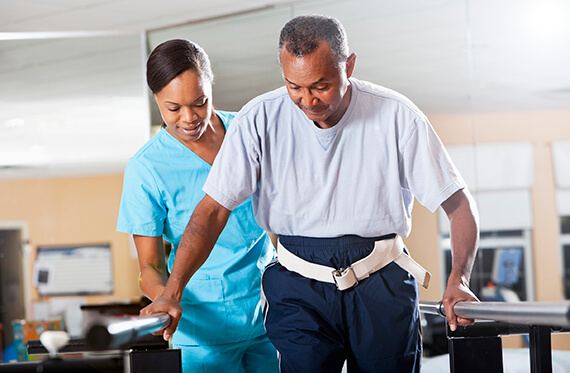
A stroke can change life in an instant. One moment everything feels normal. The next, simple things like walking, speaking, even holding a cup may feel out of reach.
Recovery doesn’t happen all at once. It happens step-by-step through stroke rehabilitation, where patients work to rebuild strength, relearn skills and regain independence. While every journey looks different, understanding what to expect can make the path forward feel more manageable.
What is stroke rehabilitation?
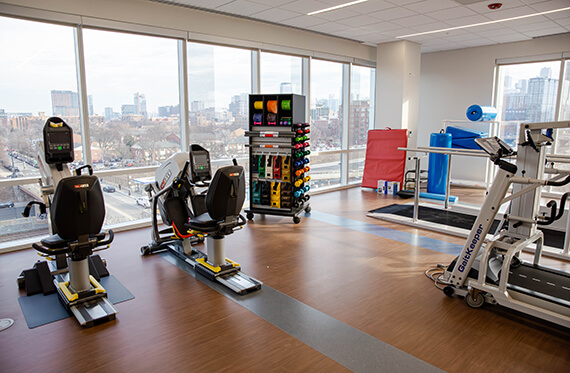
Stroke rehabilitation is a structured recovery program designed to help people regain abilities after their stroke. The goal is to help patients return to everyday life as safely and independently as possible.
Rehabilitation often begins once a patient is medically stable and continues for weeks or months depending on individual needs.
Care can take place in different settings, including:
- The hospital
- An inpatient rehabilitation hospital (offering more intensive care with daily therapy)
- Outpatient therapy centers
- At home
The right setting depends on how much support a person needs. Someone with more serious challenges may benefit from inpatient rehabilitation, where therapy is more frequent and closely supervised.
Recovery timelines vary. Some people see steady progress in a few weeks. Others continue working toward improvement over a longer period. Both are normal since stroke recovery is not one-size-fits-all.
Who is part of your rehabilitation team?
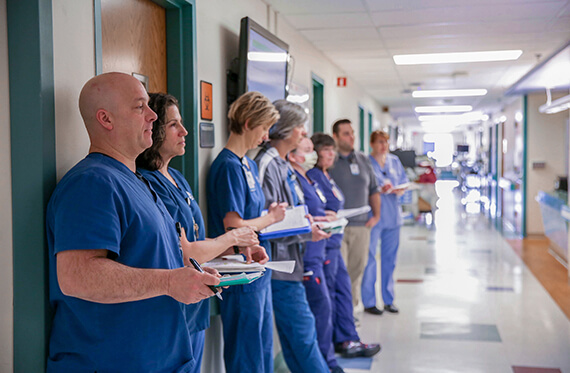
Recovery after a stroke is a team effort. A group of specialists works together to help patients rebuild skills and adjust to life after stroke.
Your care team may include:
- Rehabilitation physicians who oversee the overall plan of care
- Nurses who monitor health and provide daily support
- Physical therapists who help improve strength, balance and movement
- Occupational therapists who focus on daily activities like dressing, bathing and cooking
- Speech-language pathologists who help with communication and swallowing
Depending on your needs, you may also work with:
- Neuropsychologists who help with memory, thinking and emotional changes
- Social workers or case managers who assist with planning next steps and support services
- Dietitians who help create healthy eating plans
Together, this team sets goals, tracks progress and helps guide each stage of recovery.
What happens during stroke rehabilitation?
Rehabilitation focuses on helping the brain and body work together again. Much of this comes down to practice and repetition -- doing targeted activities over time to rebuild function.
You may hear the term neuroplasticity, meaning the brain’s ability to adapt and form new connections. In simple terms, it’s how the brain “relearns” skills after injury. That’s one of the main objectives in inpatient rehabilitation, teaching the brain to relearn skills.
Therapy often includes:
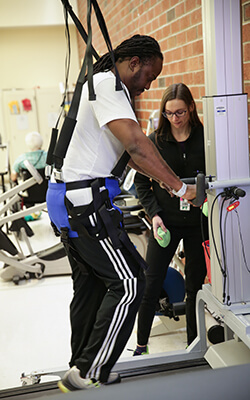
- Movement training
Exercises to improve strength, coordination and balance. This may include walking practicing or learning to use assistive devices.
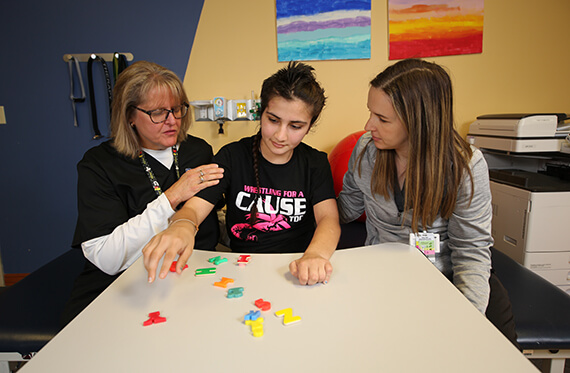
- Activities of daily living (ADLs)
These are the basic tasks people do every day like getting dressed, eating or using the bathroom. Therapy helps patients relearn these in safe, practical ways.
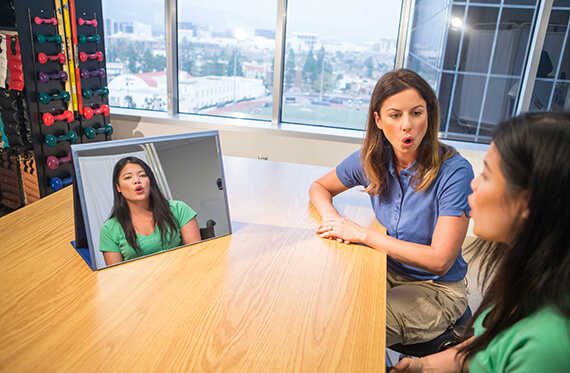
- Speech and communication therapy
Helps improve speaking, understanding language and, safe swallowing techniques, when needed.
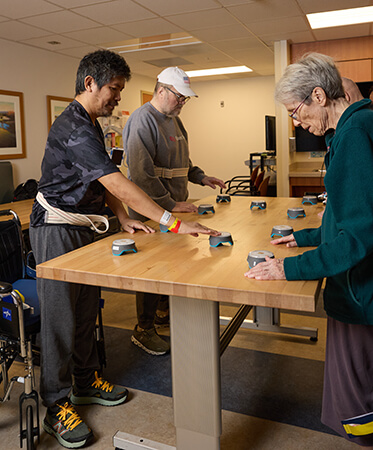
- Cognitive therapy
Focuses on thinking skills like memory, attention and problem-solving.
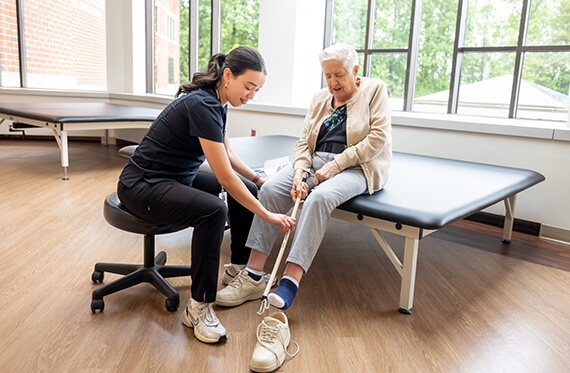
In some cases, more advanced techniques are used, such as:
- Task-specific training which focuses on practicing real-life activities
- Electrical stimulation which uses mild electrical signals to activate weakened muscles
Progress is usually gradual. Some days feel like big steps forward. Others feel slower. Both are part of the process. Over time, small gains add up to meaningful improvements.
How long does stroke recovery take?
One of the most common questions people ask is: How long will this take?
The honest answer: Recovery looks different for everyone.
Several factors can affect recovery, including:
- The type and severity of the stroke
- How quickly treatment was received
- A person’s overall health before the stroke
Some people regain independence relatively quickly. Others may continue therapy for months or longer. Even after formal rehabilitation ends, many people keep making progress by staying active and continuing exercises at home.
What matters most is consistent effort and the right level of support along the way.
Reducing the risk of another stroke
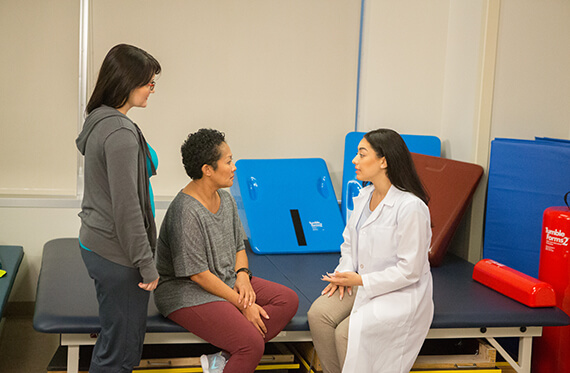
Recovery isn’t just about regaining skills it’s also about protecting your health moving forward.
That’s why preventing a second stroke is a key part of rehabilitation. A secondary stroke happens when blood flow to the brain is disrupted again.
A secondary stroke happens when blood flow to the brain is disrupted again. Preventing this is a key part of rehabilitation.
Warning signs to watch for include:
- Sudden weakness or numbness
- Trouble speaking or understanding speech
- Vision changes
- Severe headache
If these symptoms appear, it’s important to seek medical attention immediately.
To lower the risk of another stroke, patients are often encouraged to:
- Manage blood pressure, cholesterol and diabetes
- Take medications as prescribed
- Stay physically active
- Eat a balanced, heart-healthy diet
- Avoid smoking and limit alcohol
These steps help protect the progress made during recovery and support long-term health.
Moving forward after a stroke
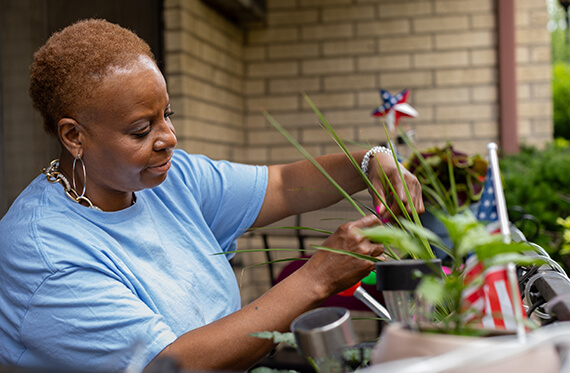
Stroke rehabilitation is not always easy but it is a path forward.
With the right care team, consistent therapy and support from family or caregivers, many people regain abilities they once thought were lost. Just as important, they rebuild confidence and find new ways to stay connected to the lives they value.
Recovery isn’t instant. You make progress happen, one step at a time.